FAQ 2026: Top Questions About Making AI Porn
Ever felt lost while looking for good tools to make adult content? You’re not alone. Many people get fooled by false promises from marketing tricks.
Looking for legitimate platforms online needs careful eyes and clear advice. This comprehensive guide aims to help you find your way. We focus on software made for real adult content, not just quick fixes.
Setting clear goals can save you time and stress. Whether you make content or just want to learn, knowing what’s out there is key. Let’s dive into the answers to your biggest questions about this changing field.
Key Takeaways
- Learn to tell real tools from fake marketing.
- Find platforms made for top-notch adult content.
- Know what tech you need for making content today.
- Stay away from traps that waste your time and money.
- Get the real scoop on what AI can do for media.
Understanding the AI Porn FAQ 2026 Landscape
The world of digital adult media has changed a lot by 2026. You’ll see many platforms are still in the experimental sandbox phase. To navigate the ai porn faq 2026 world, you need to look beyond the excitement and focus on what really works.
Finding the best tools means separating quality from clones. Many sites just use old models with a simple interface, adding little value. Look for platforms that offer deep customization and consistent quality.
When checking a service, see how it handles complex tasks and keeps characters consistent. The table below shows the main differences between various platforms in the ai porn faq 2026 market.
| Platform Type | Customization Depth | Output Quality | Primary Use Case |
|---|---|---|---|
| Experimental Sandbox | Low | Inconsistent | Casual testing |
| Professional Suite | High | Photorealistic | Content creation |
| Basic Wrapper | Minimal | Average | Quick generation |
Your success depends on testing tools against your needs. Look for platforms with advanced control over lighting, anatomy, and style. This way, you can skip platforms that don’t meet your standards.
Hardware Requirements for Local AI Generation
To get professional results, you need to understand the hardware needed for local AI generation. Many look for an ai porn faq to learn about software. But, the physical machine is the base of your creative work. Without the right parts, you’ll face long waits and system crashes.
Selecting the Right GPU for Stable Diffusion
The Graphics Processing Unit (GPU) is key in your setup. For local work, NVIDIA cards are top because of their CUDA core. You need high Video RAM (VRAM) for better image quality and detail.
Start with 8GB VRAM for basic tasks. But, 12GB or more is best for complex work. More VRAM means you can work on bigger projects faster. Make sure your power supply can handle the GPU’s energy needs.
Optimizing RAM and Storage for Large Models
System memory and storage speed are also crucial. Aim for at least 32GB of RAM to avoid slowdowns. This keeps your system smooth, even with many tasks.
Fast storage is key for quick model loading. Use an NVMe SSD for faster startup. Slow storage can cause big delays when switching tasks or models.
| Hardware Component | Entry Level | Recommended | Professional |
|---|---|---|---|
| GPU VRAM | 8GB | 12GB – 16GB | 24GB+ |
| System RAM | 16GB | 32GB | 64GB+ |
| Storage Type | SATA SSD | NVMe SSD | Gen4 NVMe |
| Performance | Basic | Efficient | High-Speed |
By choosing the right parts, you set up a solid base for your projects. Proper hardware is key, as seen in any good ai porn faq. It lets you work efficiently and improve your projects.
Choosing the Best AI Software and Interfaces
Finding the right AI interface is key. It should match your skill level. Many look for an ai porn faq to learn the basics. But, the software you pick will really shape your creativity.
It’s important to find a balance. You want something easy to use but also powerful. This balance is crucial for a smooth workflow.
Setting Up ComfyUI for Advanced Workflows
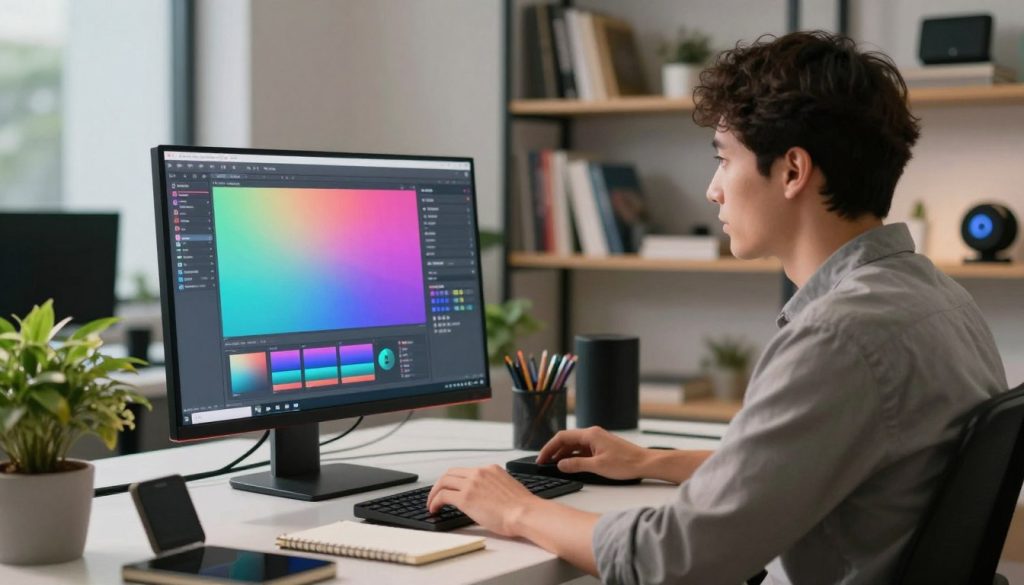
ComfyUI is top-notch for those who want total control. It has a node-based interface. This lets you see and manage your image creation process clearly.
It’s also super fast, even on older computers. You can save your workflows as JSON files. This makes it easy to use your favorite styles again. It’s perfect for those who love the technical side of the ai porn faq world.
Using Automatic1111 for Beginner-Friendly Generation
Automatic1111 is great for beginners. Its web-based interface is easy to use. It has simple buttons and sliders for all settings.
It’s also very popular, thanks to its huge community. There are lots of tutorials and extensions to help you. It’s a great place to start for anyone new to the ai porn faq world.
Exploring Flux.1 and SDXL Model Capabilities
The model you choose affects your output quality. SDXL is known for its versatility. It works well with many artistic styles.
Flux.1 is the next big thing. It offers superior prompt adherence and realistic skin textures. The right model and interface can make your images incredibly detailed. Your choice depends on your hardware and desired realism.
| Feature | ComfyUI | Automatic1111 |
|---|---|---|
| Learning Curve | Steep | Gentle |
| Workflow Style | Node-based | Tab-based |
| Customization | High | Moderate |
| Performance | Optimized | Standard |
Sourcing and Training Custom LoRAs
Many beginner questions ask how to teach an AI to recognize a specific person or style. Creating custom LoRAs lets you capture unique traits or styles with great detail. This makes your AI’s output more controlled and artistic.
Gathering High-Quality Training Data
Quality data is key for a good model. Aim for 15 to 30 clear, high-resolution images of your subject. These should show your subject from different angles and lighting.
It’s important to tag your images well. Use clear captions to help the model learn what’s important. If you’re new to this, start by identifying the main subject and the style you want to keep.
Using Kohya_ss for LoRA Training
Kohya_ss is the top tool for training custom models. It has a user-friendly interface that makes complex tasks easier. You’ll need to set your learning rate, batch size, and network rank for the best results.
Start with default settings to learn the ropes. As you get more experience, tweak these settings for your specific setup. Always check your VRAM to keep your system stable during training.
Testing and Refining Your Custom Models
Training is a process that takes patience and attention. Test your model with different prompts to see how well it captures your subject. If it looks off, you might need to adjust your settings or improve your images.
Improving your model means testing different epochs to find the right balance. Keep track of your settings to see what works best for you. Here’s a table to help you get started with common settings.
| Parameter | Low-End GPU | Mid-Range GPU | High-End GPU |
|---|---|---|---|
| Batch Size | 1 | 2 | 4 |
| Learning Rate | 1e-4 | 5e-5 | 2e-5 |
| Network Rank | 32 | 64 | 128 |
| Training Epochs | 10 | 15 | 20 |
Mastering Prompt Engineering for Adult Content
Many beginner questions ask why AI images look distorted or don’t follow directions. To get quality results, move from simple keywords to detailed language. This way, you have greater control over what you get.
Structuring Effective Positive Prompts
Begin your prompt with the main subject and then describe the scene and lighting. Clarity is key to ensure the model gets your vision. Don’t mix too many styles, as it can confuse the AI.
Specify camera angles and artistic styles for a professional look. Consistency is important. Keep the main subject the same while trying different modifiers. This helps solve beginner questions about why images vary.
Utilizing Negative Prompts to Avoid Artifacts
Negative prompts help remove unwanted elements. Include terms like “bad anatomy” to avoid errors. Using negative tags wisely boosts your image quality.
Don’t overdo it with negative prompts, as it can cause washed-out colors. Focus on the biggest issues you face. This targeted approach is a common beginner question because it fixes anatomical flaws quickly.
Applying ControlNet for Precise Pose Manipulation
ControlNet lets you control the image’s composition. Use reference images or skeleton maps for specific poses. Precision is its main benefit.
You can adjust the ControlNet model’s weight to balance your text prompt and the reference pose. This keeps your vision intact while the AI handles scene geometry. Mastering this feature makes your work deliberate and high-quality.
Ethical Considerations and Legal Boundaries
Creating digital art with AI raises unique ethical challenges. It offers great creative freedom but requires personal responsibility. If you’re looking for quick answers on legal matters, remember to respect others’ rights first.

Understanding Consent and Deepfake Regulations
Getting informed consent is crucial in AI art. Making images of people without their okay is wrong and often illegal. Never make someone’s likeness without their permission.
Deepfake laws are getting tougher to stop harm and lies. When looking for quick answers on what’s okay, remember the law protects people from fake digital images. Make sure your models use public data or where you have the right to use it.
Navigating Platform Terms of Service
Every platform has its own rules for AI content. You must read these rules to avoid trouble. Many sites ban content that shows non-consensual acts or breaks community rules.
If you’re unsure about a prompt, check the platform’s FAQ or rules. Following these rules helps keep your account safe and access to tools. Respecting these boundaries makes the creator community safer for everyone.
Protecting Your Digital Identity and Privacy
While working on your projects, protect your personal info. AI tools might need cloud access or share data with others. Always use a fake name and keep your real identity separate from your AI work.
It’s key to give quick answers to your audience, but don’t share personal or location data. Remove EXIF data from your images to stay anonymous. By being careful, you can enjoy AI tech while keeping your life private.
Advanced Techniques for Realistic Skin and Texture
To get professional-grade realism in AI images, you need to go beyond basic settings. Starting with a basic image is just the beginning. The real details come from careful post-processing steps. These steps help fix common issues like blurry skin and wrong features.
Implementing Hires.fix and Upscaling Methods
The Hires.fix feature is key for adding fine details that basic AI misses. It works by making the image smaller first and then making it bigger again. This makes skin pores and fabric textures look sharper. It also stops skin from looking too smooth by adding small variations.
Choosing the right upscaler is crucial. Some upscalers keep the artistic feel, while others make images look more real. Here’s a comparison to help you pick the best for your project.
| Upscaler Name | Best Use Case | Detail Retention |
|---|---|---|
| ESRGAN_4x | General textures | High |
| R-ESRGAN 4x+ | Photorealistic skin | Very High |
| SwinIR_4x | Complex patterns | Medium |
Using Inpainting to Correct Anatomical Errors
Even top models can make mistakes, like wrong hands or faces. Inpainting lets you fix these areas with more accuracy. You can mask the wrong parts and then use a special prompt to correct them without changing the rest.
“The secret to perfect AI art is not in the initial prompt, but in the patient refinement of the details through iterative inpainting.”
When inpainting, use a lower denoising strength to blend new pixels well with the original. This method quickly fixes big mistakes, making your final image look top-notch. Learning these techniques will greatly improve your digital art.
Integrating AI Video Generation Tools
Want to make your digital art come alive? Using AI video tools is a great next step. Static images are cool, but motion makes them pop. Finding quick answers to use these tools can save you a lot of time.
Animating Static Images with AnimateDiff
AnimateDiff lets you add motion to your Stable Diffusion images. It uses motion modules to make your characters move smoothly. This is highly efficient for those with lots of static images.
For the best results, keep your motion prompts consistent. This helps your character look the same throughout the animation. If you’re stuck, check out community forums for the latest tips.
Using Kling AI and Luma Dream Machine for Motion
Kling AI and Luma Dream Machine change how we make videos. They turn a single image into a video clip based on a text prompt. They’re great for those who want cinematic movement without setting up a lot of equipment.
“The future of digital storytelling lies in the seamless blend of static beauty and fluid, AI-generated motion.”
When picking between these tools, think about what you need. Both offer quick answers through easy-to-use interfaces. Here’s a table showing what each tool is best for.
| Tool Name | Primary Strength | Ease of Use | Best For |
|---|---|---|---|
| AnimateDiff | Local Control | Moderate | Custom LoRAs |
| Kling AI | High Realism | High | Cinematic Clips |
| Luma Dream | Motion Fluidity | High | Dynamic Poses |
Mastering these tools takes practice with different prompts and settings. By mixing local control with cloud power, you can make a wide range of content. Remember, quick answers are just the beginning of your AI video journey.
Managing Your AI Content Workflow
If you’re overwhelmed by too many checkpoints and LoRAs, it’s time to tidy up your digital space. A clean environment helps you find quick answers to your creative problems. This way, you won’t spend hours searching through messy folders.
Organizing Your Model Library and Checkpoints
A well-organized file system is key to a smooth AI workflow. Sort your models by type, like base checkpoints, LoRAs, and embeddings. Use a clear naming system to avoid confusion when switching models fast.
Set up a folder structure that matches your software’s needs. This makes it easy to find the right model for your art style. Keep a text file or spreadsheet to note the best settings for each model.
Automating Batch Processing for Efficiency
Manual work can slow you down when making lots of content. Most tools let you queue tasks, which helps you get quick answers without being tied to your desk.
Batch processing scripts can run many prompts at once. This automation keeps your hardware busy and boosts GPU use. By planning these tasks ahead, you can focus on creativity, not repetitive tasks.
Monetization Strategies for AI Creators
Turning your AI creations into income needs more than tech skills. You must see your digital work as a professional product. This attracts a loyal audience. If you’re looking for quick answers, focus on being consistent and choosing the right platforms.
Building a Brand on Subscription Platforms
Platforms like Patreon, Fanvue, and Fansly are key for AI artists. They let you offer rewards like exclusive images or early model access. Consistency is the key to keeping subscribers who want regular updates.
To stand out, create a unique style that’s different from generic AI. Many creators answer fan questions through polls and community feedback. This builds a community, which is crucial for financial growth.
- Create a clear tier structure for different budget levels.
- Post behind-the-scenes content to show your creative process.
- Use high-quality previews to entice potential subscribers.
Marketing Your Content While Maintaining Anonymity
Keeping your privacy is crucial for many creators. You can gain a large following without revealing your identity. Using a dedicated pseudonym helps keep your personal and digital lives separate.
Effective marketing uses social media like X or Reddit to promote your subscription pages. Always use a VPN to hide your IP and clean your metadata. These quick answers help you stay anonymous while growing your audience.
Build a brand that focuses on your artistic style, not your personal history. This way, you can monetize without risking your safety. Strategic branding makes your audience connect with your art, not your identity.
Conclusion
The world of digital creation is changing fast. Tools like Flux.1 and Stable Diffusion are changing how we make art. Now, you have the skills to use this medium for your own creative projects.
Working in this field means following ethical rules and keeping your privacy safe. Always get consent and follow the law when you’re creating. These tips help you be creative while staying responsible.
Your adventure in generative media is all about learning and exploring. Make sure your software is up to date and your security is strong. Use these quick answers to solve any problems you face.
Keep up with new laws to protect your online identity. You can help shape the future of AI by being thoughtful and intentional in your work. Use your talents to build a lasting career in AI.
FAQ
How can I distinguish between high-quality NSFW AI platforms and deceptive clones in 2026?
To find the best ai porn faq platforms, look for those that are open about their models. Good tools are built on well-known frameworks like Stable Diffusion or Flux.1. Stay away from services that hide their methods or use fake marketing.
Top services let you customize a lot, have realistic skin, and get body shapes right. They don’t just give you generic images.
What are the essential hardware requirements for running local AI generation?
You’ll need a strong GPU, like an NVIDIA GeForce RTX 4090 or RTX 5090, for high-quality images. Also, make sure you have at least 32GB of DDR5 RAM and fast NVMe SSD storage. This helps your system run smoothly, even with big files.
Should I use Automatic1111 or ComfyUI for my creative workflow?
Automatic1111 is great for beginners because it’s easy to use and has lots of community support. But if you need advanced features for professional work, ComfyUI is better. Both support the latest models like SDXL and Flux.1.
How do I create a LoRA to maintain character consistency?
To keep your characters looking the same, start with lots of good training data. Use Kohya_ss to make a LoRA (Low-Rank Adaptation). Test your model at different stages to get the look right without mistakes.
What is the best way to structure prompts for high-quality adult content?
Good prompts mix clear descriptions with specific rules. Define things like lighting and body details well. Use negative prompts to avoid mistakes and ControlNet for exact poses.
What are the legal and ethical boundaries I need to follow as a creator?
Always follow laws about consent and deepfakes. Making fake images of people without their okay is illegal. Keep your work fictional to avoid legal trouble.
How can I fix anatomical errors and improve the texture of my images?
Start with Hires.fix to make images sharper. For mistakes, like wrong hands, use inpainting in Automatic1111. Then, use 4x-UltraSharp for sharp, professional textures.
Can I generate high-quality AI video for adult content?
Yes, tools like AnimateDiff can turn static images into smooth videos. For better motion, try Kling AI and Luma Dream Machine for detailed videos from text prompts.
How do I manage a large library of AI models and checkpoints effectively?
Keep your files organized with a clear system and tools like Civitai Helper. Automate tasks to save time and make lots of content quickly.
What is the best strategy for monetizing AI-generated adult content?
Make money by building a brand on sites like Fansly or Patreon. Create a unique style and promote it online. Use a secret identity and secure payments to earn without losing privacy.