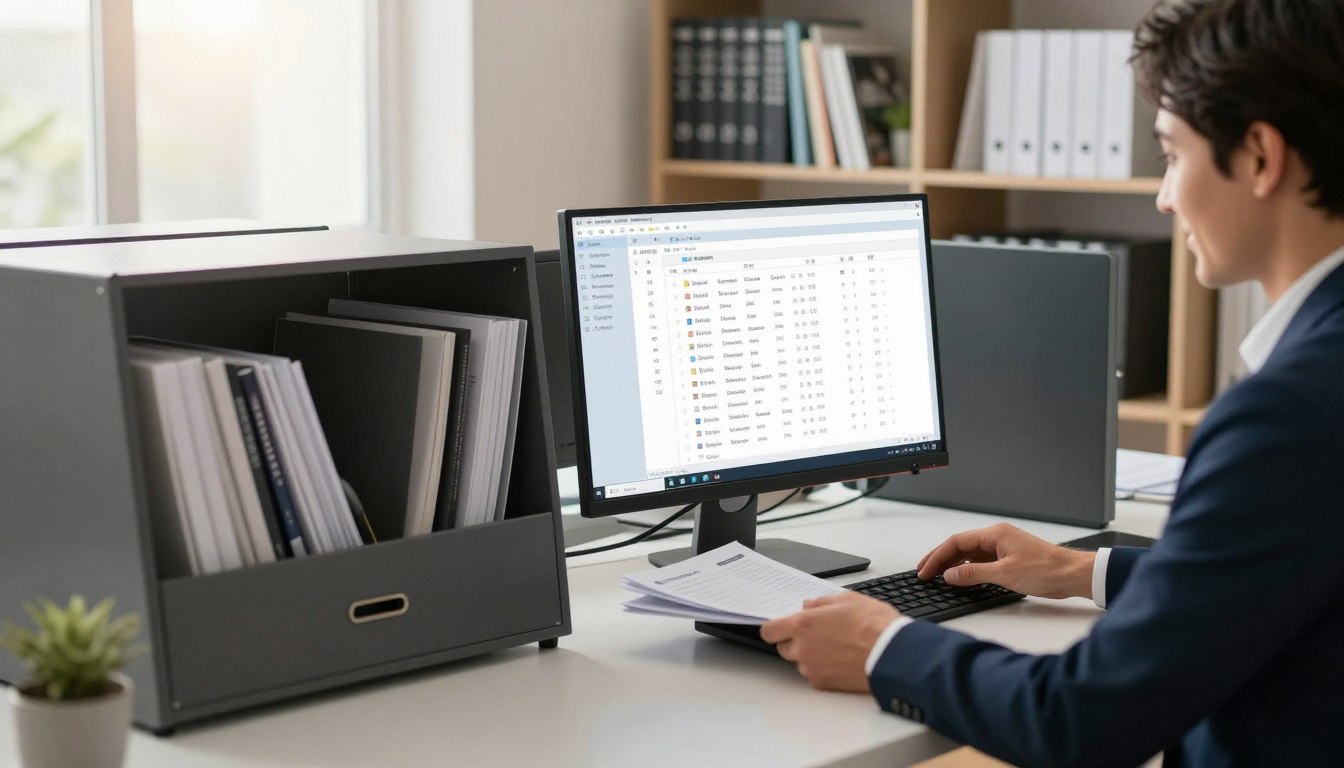
File Management & Naming Conventions for Scenes
Ever spent hours looking for a clip, only to find it in a mess of folders? Efficiency is key in any creative project.
Ignoring file management leads to workflow bottlenecks. A consistent naming scheme turns your digital space into a smooth machine.
Creating a strong asset library is personal. It must fit your way of thinking. Mastering ai porn file management today keeps your future projects easy to find and grow. Let’s see how these habits stop the stress of lost data.
Key Takeaways
- Organized directories prevent costly post-production delays.
- A consistent naming convention saves time during retrieval.
- Your workflow should reflect your personal cognitive style.
- Scalability depends on how you structure your digital assets.
- Early organization habits eliminate the stress of lost media.
The Importance of AI Porn File Management
Professional ai porn file management is more than keeping things tidy. It’s about safeguarding your creative work and ensuring success in the long run. Without a consistent naming system, managing your work can become chaotic and error-prone. Efficiency is key for creators dealing with lots of media.
Without a clear system, finding your assets can take up a lot of time. A well-organized approach to file management helps avoid lost footage and keeps your project on track. This is crucial for a smooth editing process and working well with others.
A solid strategy means less guesswork in busy production settings. You can grow your work without losing quality or speed. Here’s a comparison to show how your current habits might affect your profits.
| Feature | Disorganized Workflow | Systematic Management |
|---|---|---|
| Search Time | High (Minutes per file) | Low (Seconds per file) |
| Error Rate | Frequent (Lost assets) | Minimal (Secure storage) |
| Collaboration | Difficult and slow | Seamless and fast |
| Scalability | Very limited | Highly scalable |
Investing in structured ai porn file management boosts your daily output. By focusing on file management from the start, you build a space where creativity can flourish. Don’t let poor organization hold you back in the competitive digital world.
Establishing a Logical Folder Hierarchy
Creating a solid folder hierarchy is key for managing lots of media. A messy system can make finding files a big waste of time. Simplicity is crucial for a directory structure that grows with you.
Don’t overdo it with too many folders. This can cause broken paths and make finding things hard. A simple, flat structure is better than a deep, complex one. This keeps your file management easy and your software happy.
Structuring Directories by Project or Date
Deciding between project or date-based folders depends on your workflow. Project folders are great for big, ongoing projects. They let you move everything easily without losing your work.
For daily content, date-based folders are better. Organize by year, month, and day for a timeline of your media. Consistency is key, no matter your choice.
Separating Raw Assets from Final Renders
Keep raw files separate from final versions. This stops accidental changes and keeps your space tidy. It also makes backups and archiving easier.
Here’s a quick guide to help pick the right way to organize:
| Strategy | Best For | Primary Benefit |
|---|---|---|
| Project-Based | Complex Scenes | High Contextual Clarity |
| Date-Based | High-Volume Media | Fast Chronological Sorting |
| Hybrid Model | Professional Studios | Balanced Efficiency |
Using these file management tips will boost your productivity. A well-thought-out folder hierarchy supports your creative work, not hinders it.
Developing a Consistent Naming Scheme
You can turn your messy file collection into a neat library with a naming scheme. When files have a set pattern, you don’t need to search through folders to find them. This makes your digital assets easy to find and look professional.
Defining Essential Metadata Tags
To keep your library tidy, add essential information to your filenames. Use specific metadata tags like the creation date, project ID, and a short keyword. For instance, YYYYMMDD_ProjectName_AssetType makes content easy to spot.
Standardizing these tags helps your system work without relying on your computer’s search. If you need to update many files, use batch renaming tools to apply these tags to all your files.
Handling Version Control in Filenames
Dealing with different versions of a project can get confusing without strict version control. Always add a version number, like _v01 or _v02, to your filenames. This stops you from accidentally deleting your work or using old drafts.
Consistency is crucial for tracking changes. Keeping a clear version control history lets you go back to a previous version if needed. This keeps your work organized and your project history well-documented.
Utilizing Asset Library Software
Switching from manual file storage to a asset library changes your workflow. When you have more than a few dozen files, old folder systems get messy. They’re hard to navigate.
Using special software helps you avoid these problems. It makes finding your files easy, no matter how many you have.
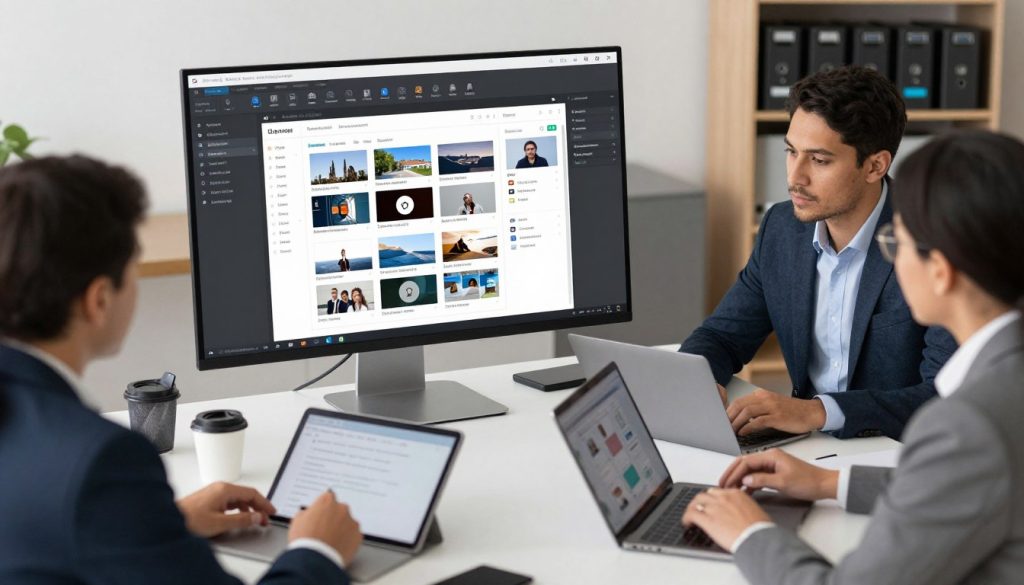
Choosing the Right Digital Asset Management Tools
Finding the right digital asset management tool is key. Look for ones that index well and support many file types.
“Efficiency is doing things right; effectiveness is doing the right things.”
Here are important features to look for in software:
- Scalability to handle thousands of high-resolution files.
- Cloud synchronization for remote access across multiple devices.
- Customizable user interfaces that adapt to your specific project needs.
Integrating Metadata for Faster Searchability
Modern software uses metadata to organize your files. This way, you don’t have to guess what a file is by its name.
Using a taxonomy makes your library easy to understand. It lets you sort files by who made them, when, or what they’re about quickly.
Consistency is crucial for success. Systematic tagging saves you time. It lets you focus on creating, not searching.
Managing Large Volumes of AI-Generated Media
When you have a lot of AI media, organizing it manually can slow you down. Keeping your digital asset management system tidy is key to avoid a mess. Automated solutions can save you time and let you focus on creativity.
Automating File Sorting with Scripts
You don’t need to be a pro to automate tasks. Simple scripts in Python or PowerShell can sort your files. They move files based on their type or when they were made. This proactive approach keeps your workflow smooth without needing you to do it all.
These scripts are like digital cleaners for your library. They find duplicates, sort files into folders, and check if names are right. Using these tools is a big help for managing ai porn file management, especially with lots of images or videos.
Implementing Batch Renaming Techniques
Keeping your library organized means consistent naming. Renaming many files one by one is not practical. Batch renaming software makes it easy to name hundreds of files quickly.
Tools like Bulk Rename Utility or Advanced Renamer let you add timestamps, numbers, or tags to files fast. This systematic process keeps your digital asset management consistent as your collection grows. By using these methods, you make sure every file is easy to find and organized.
Good ai porn file management comes from small, automated habits. Mastering batch renaming means your library stays neat, no matter how much you create. This control is crucial for managing large media collections over time.
Best Practices for Tagging and Categorization
Turning a messy collection of media into a searchable database is possible with the right labeling skills. Effective tagging lets you find specific assets quickly. This is more efficient than using just folder structures.
By separating structural metadata from descriptive labels, you control your library fully.
Creating a Standardized Keyword Taxonomy
A good system needs a consistent keyword taxonomy for all users. Without it, different people might use different terms for the same thing. This can make searching harder.
Keep your structural metadata, like file dates, separate from your keywords. This keeps your database organized and makes complex searches easier. Consistency is key for a top-notch organization system.
Applying Tags for Efficient Retrieval
With a solid system in place, tagging becomes a powerful tool. Use descriptive tags that cover the main points of your content. This makes finding files much faster.
Correct metadata application turns your storage into a high-performance library. Regularly check your tags to make sure they still match your needs. Efficient retrieval is the goal, and a well-kept system saves time and reduces stress.
Maintaining Security and Privacy for Your Files
Keeping your creative assets safe is crucial for a professional workflow. Handling lots of media means protecting your data from unauthorized access. A proactive security approach helps prevent data breaches or accidental leaks.
Encrypting Sensitive Scene Folders
Encryption is like a digital safe for your private projects. Tools like VeraCrypt or BitLocker can lock folders, keeping them safe. This essential layer of protection keeps your files safe even if your device is lost or stolen.
Using version control is also key. It lets you go back to previous file versions if needed. This keeps your work safe and gives you peace of mind on long projects.
Managing Local Versus Cloud Storage Risks
Deciding between local and cloud storage is important. Local drives give you full control but are at risk of damage or theft. Cloud services are convenient but you must trust a third party with your data.
Combining both local and cloud backups is a smart move. This way, you have a secure local copy and a cloud backup. The table below shows the main differences to help you choose the right option for you.
| Security Method | Primary Benefit | Risk Factor | Best Use Case |
|---|---|---|---|
| Local Encryption | Total Privacy | Hardware Failure | Sensitive Projects |
| Cloud Storage | Remote Access | Data Breaches | Collaborative Work |
| Hybrid Backup | Redundancy | Complexity | Long-term Archiving |
Optimizing Storage Solutions for High-Resolution Content
Your storage setup is key for every high-resolution project. As your collection grows, managing data well is crucial for success. Choose hardware that fits your creative needs.
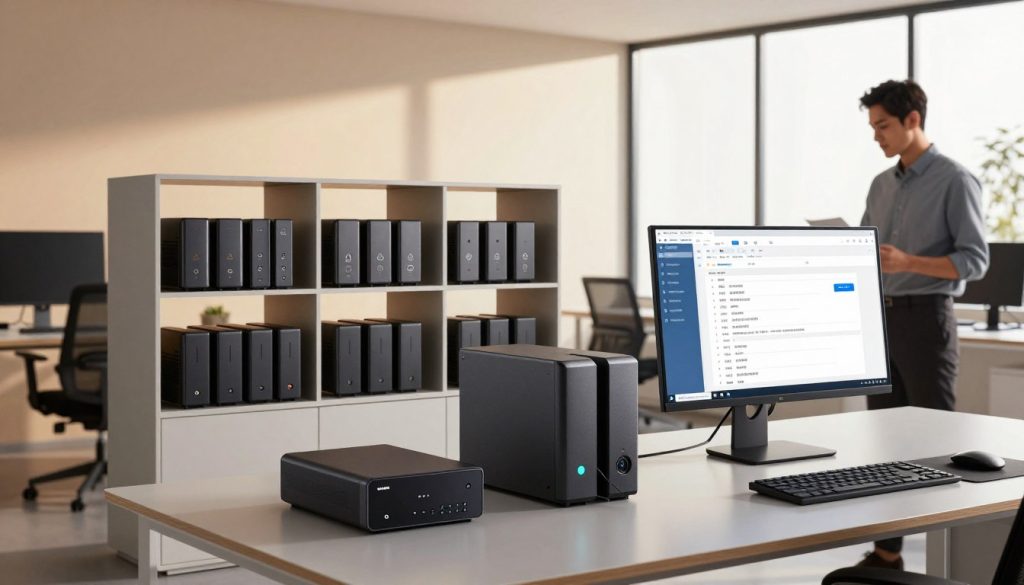
Balancing Performance and Cost in Storage Hardware
For smooth work, focus on speed for active projects. Use NVMe or SATA SSDs for fast editing of high-resolution content. These drives are vital for your main workspace.
For long-term storage, consider cheaper options like mechanical hard drives or cloud storage. This way, you save money on expensive flash memory for less-used files. By separating active and archived files, you save money and keep your system fast.
Implementing Redundancy and Backup Strategies
Hardware failure is common, so strong backup strategies are essential. Use RAID for your local drives to guard against single-drive failures. This adds security, keeping your work safe even if a part fails.
Follow the 3-2-1 rule for extra safety. Have three copies of your data, on two different types of media, with one off-site. This all-encompassing strategy ensures your high-resolution content is safe from any disaster.
Streamlining Your Workflow with Templates
Stop wasting time on repetitive setup tasks by using pre-configured project structures. Manual organization often leads to confusion. A standardized approach ensures every project starts clean and predictable.
Templates serve as a blueprint for your digital assets. They help keep a consistent naming scheme and folder hierarchy across all projects. This saves time and helps everyone focus on creativity, not file management.
Standardizing Folder Structures for New Projects
Create a master template folder on your main drive. It should have subdirectories for raw assets, project files, and final exports. Duplicating this folder for new projects keeps your workflow consistent.
Consistency is crucial for managing large media libraries. A uniform folder hierarchy means finding files quickly. This approach prevents disorganization and keeps your workspace tidy.
Also, a strict naming scheme in templates makes files easy to identify. This reduces the chance of losing important assets. Start using these templates to save hours of frustration as your collection grows.
Troubleshooting Common File Organization Issues
When your digital assets get disorganized, your creative work can stop suddenly. It’s crucial to have a good file management system to keep your workflow smooth. Digital clutter can build up fast, causing confusion and wasting time.
Resolving Duplicate File Conflicts
Duplicate files are a big problem, taking up space and causing confusion. Regularly check your folders for duplicate files. A strict version control policy helps you know which files are final and which are drafts.
When you find the same file multiple times, look at the timestamps and sizes. Always remove the older files to keep your space clean. Using software to find and remove duplicates can save you a lot of time.
Recovering Lost or Misplaced Assets
It’s stressful when you can’t find a key file, especially when you’re tight on time. Tools like Adobe Prelude help track your media and ensure everything is in order. These tools help you quickly find missing files by pointing to the right folder.
If a file is missing, first check your backups or temporary folders. Consistency helps prevent data loss. Using a standard naming system makes it easier to find and recover files when they’re lost.
Fixing these issues early is key to a smooth workflow. A little time spent organizing folders can prevent big problems later. Stay proactive to keep your creative work organized and easy to access.
Scaling Your Library as Your Collection Grows
Scaling your creative workflow means managing a growing digital archive well. As you create more, your files get bigger. You need a stronger setup to keep everything easy to find.
Think ahead for your asset library before hitting storage or speed limits. Dealing with lots of high-resolution content needs more than just more storage. You need a plan that grows with your work.
Refining Your System for Long-Term Growth
Regular checks are key to keep your system working well. Every few months, look over your folder setup and clean out old files.
“The secret of getting ahead is getting started, but the secret of staying ahead is constant refinement of your systems.”
With high-resolution content, focus on quick access. Move old projects to slower storage, but keep current ones fast.
Getting a good asset library system now saves you time later. Stay organized and your career will keep growing smoothly.
Conclusion
Keeping your files organized makes your creative work smooth. It helps you build a strong foundation for your career. By using good naming and organizing habits, you reach your goals.
Your digital library is key to staying productive. A clear system cuts down on stress and keeps you focused. You spend less time looking for files and more time creating.
Find a system that works for you and change it as needed. As your collection grows, update your folders and tags. This keeps your workflow efficient.
Begin organizing your files now for a better creative future. A tidy archive keeps your work safe and makes projects easier. Your dedication to these habits keeps your media ready for your next idea.
FAQ
Why is starting an ai porn file management system early so critical for my workflow?
Starting a good file management system early helps avoid problems later. It keeps your work organized and saves time. This way, you can focus on creating, not searching for files.
Should I use a flat directory or a complex folder hierarchy for my assets?
A flat directory is easier to navigate than a complex one. It helps avoid getting lost in too many folders. Keep your files organized by project or date, and keep raw and final files separate.
How can I create a naming scheme that remains searchable over time?
Use dates, project names, and keywords in your file names. Avoid generic names. Adding version numbers helps keep different drafts straight and prevents mistakes.
What are the benefits of using digital asset management (DAM) software over traditional folders?
DAM software like Adobe Bridge makes finding files easy. It uses tags and metadata for quick searches. This saves time and boosts productivity, especially with lots of files.
How can I handle the massive volume of media generated by AI tools?
Handling lots of files manually is hard. Use tools like Bulk Rename Utility or Python scripts for automatic organization. This keeps your system tidy and lets you grow your work without losing control.
How do I create an effective tagging system for better discoverability?
Use a standard set of keywords to tag your files. This makes finding specific scenes faster. It keeps your library efficient as it grows.
What is the best way to secure sensitive scene folders from unauthorized access?
Use encryption tools like VeraCrypt to protect your files. Be careful with cloud storage for private content. Version control helps recover deleted files and track changes.
What hardware should I use to balance performance and storage costs?
For editing, use fast NVMe SSDs. For archiving, choose cost-effective HDDs in a Synology or QNAP system. Always use RAID and follow a “3-2-1” backup strategy for safety.
How can templates help me maintain consistency across different projects?
Use a master template for your folders to keep things uniform. This saves time and prevents disorganization. It helps you stay organized in your creative work.
What should I do if I have duplicate files or misplaced assets?
Use tools like Adobe Prelude or Gemini 2 to find and fix lost files. These tools help manage duplicates and versions. They help keep your work organized and on track.